
Knee Joint Decompression in Hamlin, FL
Non-Surgical Knee Pain Treatment With Knee-on-Trac for Knee Arthritis, Stiffness and Mobility Problems
Knee Pain Treatment at ReliefNow Hamlin
ReliefNow® Disc Joint & Nerve Center Hamlin offers non-surgical knee pain treatment built around Knee-on-Trac knee joint decompression at our Hamlin clinic in Winter Garden, FL. Dr. Jeffrey N. Shebovsky, DC, and our team evaluate knee arthritis, joint degeneration, stiffness and activity-related knee pain.
Your plan is based on an exam of your knee, your history and any imaging you already have.


What Is Knee-on-Trac Knee Joint Decompression?
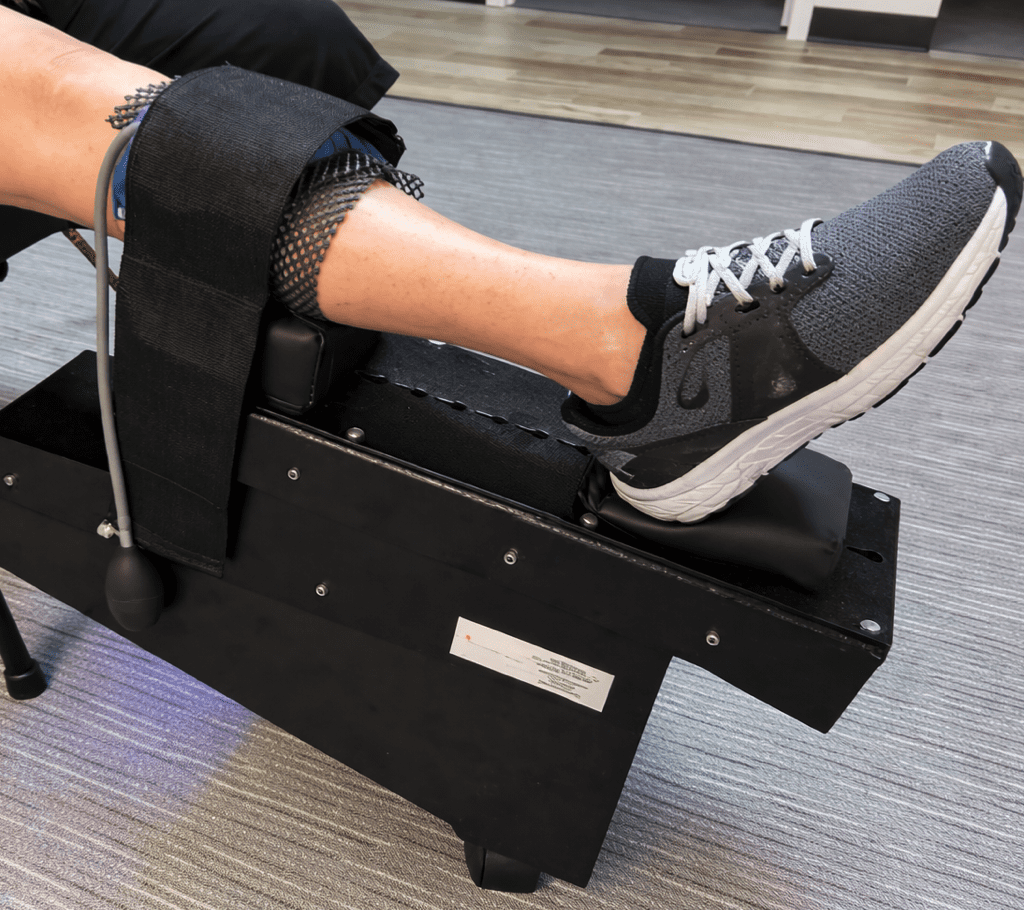
Knee-on-Trac is a knee decompression system that applies gentle, controlled traction to the knee joint. The goal is to unload the joint by reducing compression between the thigh bone and shin bone. Whether it is recommended depends on your examination.
How Knee Joint Decompression Works
Positioning. Your leg rests on the device, and padded straps secure the lower leg so the traction is directed through the knee.
Treatment. The device applies controlled traction that creates a gentle stretch across the joint. The clinician sets the treatment for your condition.
What it is intended to do. Unloading the knee is intended to reduce joint pressure, ease stiffness and make movement more comfortable. It does not regrow cartilage or repair a torn meniscus.
What you may feel. Most patients feel a mild pulling or stretching sensation around the knee. Let the clinician know if anything feels uncomfortable.
Tracking progress. Pain, range of motion and how you handle walking, stairs and standing are rechecked during care, and the plan is adjusted based on your response.
Knee Conditions We Evaluate
Knee pain can come from joint wear, soft-tissue irritation or an old injury. Identifying the source helps us decide whether knee decompression, another treatment or a referral is the right next step.
Arthritis and Joint Degeneration
- Gradual wear of the cartilage inside the knee
- Stiffness, swelling and grinding
- Pain with standing, walking or stairs
Meniscus and Cartilage Concerns
- Pain with twisting or deep bending
- Catching or locking sensations
- Suspected tears may need imaging or specialist review
Overuse and Tendon Irritation
- Common in runners and active adults
- Pain around or below the kneecap
- Chronic tendon pain may be evaluated for shockwave therapy
Ligament and Soft-Tissue Strain
- Sprains and strains from sudden movement
- Instability needs further evaluation
- Decompression does not repair torn ligaments
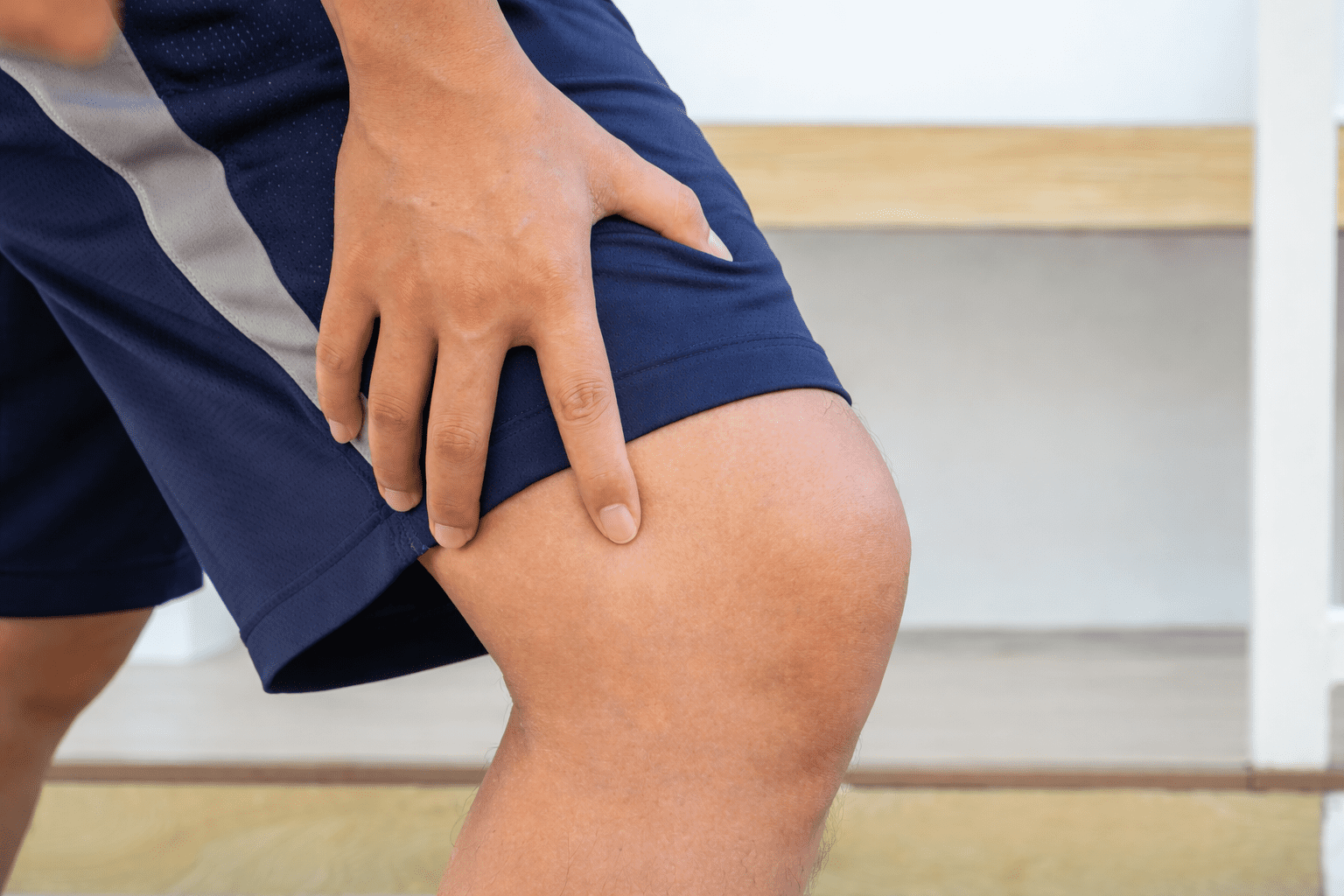
Knee Symptoms We Evaluate
We evaluate the symptoms that make everyday movement harder, including:
- Knee stiffness, especially in the morning or after sitting
- Pain when walking, particularly over longer distances
- Difficulty using stairs, going up or down
- Pain getting up from a chair or out of a car
- Reduced range of motion when bending or straightening the knee
- Activity-related knee pain during exercise, sports or long periods of standing
These symptoms can have several causes, so the exam focuses on finding which structures are involved.
Who May Be a Candidate for Knee-on-Trac Treatment?
You may be a candidate if your evaluation shows knee pain related to arthritis, joint degeneration or joint stiffness.
- You have been diagnosed with knee osteoarthritis or joint degeneration
- Stiffness or pain limits walking, stairs or standing
- You want to explore conservative options before considering surgery
When Knee Decompression May Not Be Appropriate
Knee decompression is not right for every knee problem. Additional evaluation is needed, and treatment may not be recommended, if you have:
- Recent knee surgery or a knee replacement
- A fracture or an acute injury
- Significant knee instability
Suspected ligament or meniscus tears may need imaging or a specialist referral before any treatment decision is made.
Meet the Doctor
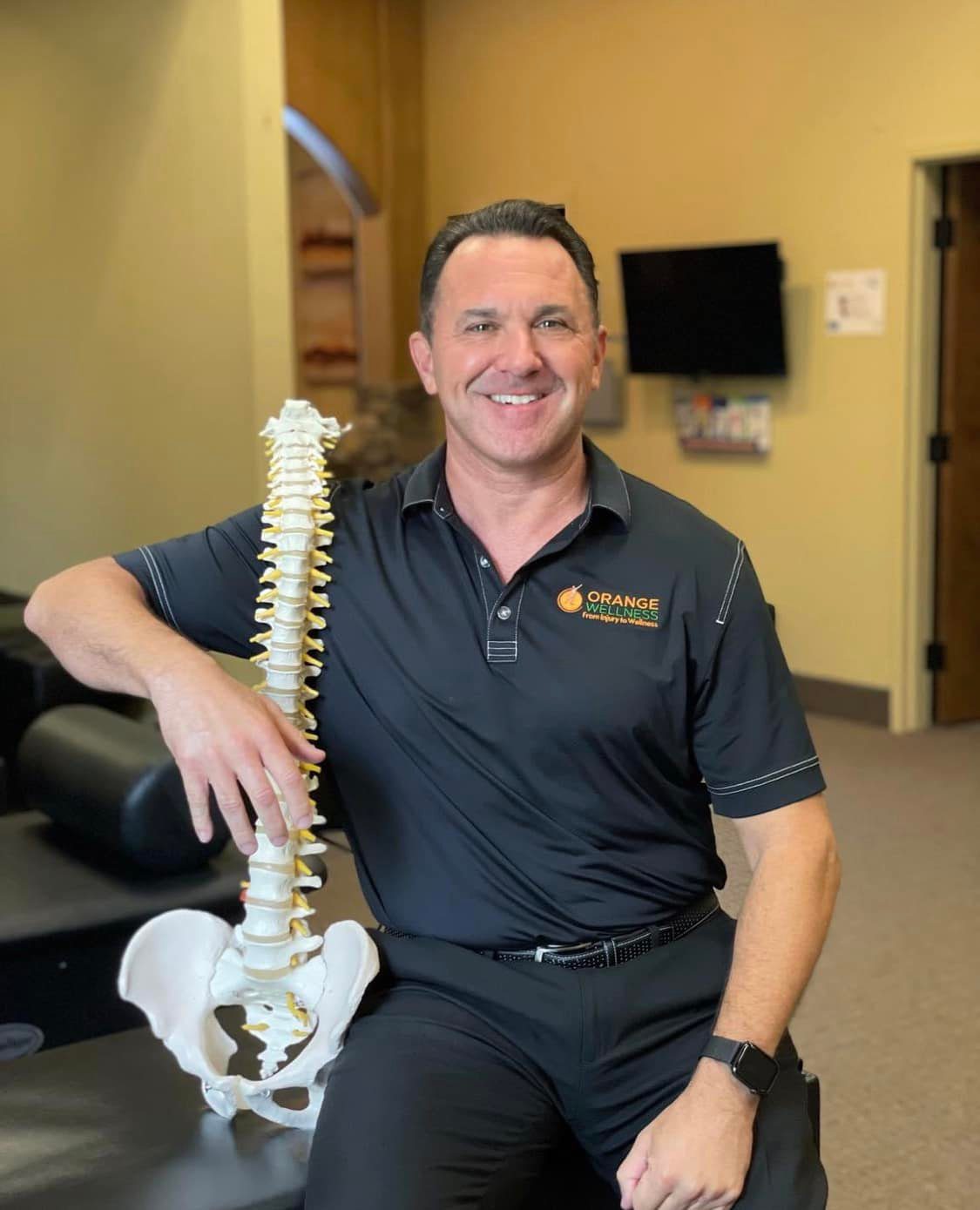
DR. JEFFREY N. SHEBOVSKY
Chiropractor
I look forward to assisting you on your journey towards a life filled with higher levels of health and vitality!
Non-Surgical Treatment for Knee Arthritis and Joint Degeneration
Knee osteoarthritis develops as the cartilage that cushions the joint gradually wears down. This can lead to pain, stiffness, swelling and reduced mobility, and it often makes weight-bearing activities like walking, standing and climbing stairs harder.
Non-surgical care focuses on reducing joint stress and improving how the knee moves. Knee-on-Trac decompression is intended to ease symptoms and improve function. It does not regrow cartilage or repair torn structures.
Reduce Pressure in the Knee Joint
- • Gentle traction unloads the joint surfaces
- • Aims to ease pain during weight-bearing activity
- • Settings are chosen for your knee
Ease Stiffness
- • Controlled stretch across the joint
- • May make bending and straightening easier
- • Progress is measured by range of motion
Improve Everyday Movement
- • Focus on walking, stairs and standing
- • May be paired with strengthening exercises
- • The plan is adjusted based on your response
A Conservative Option
- • No incisions or injections
- • Performed in our Hamlin clinic
- • An option to explore before considering surgery
Realistic Expectations
- • Results vary by patient and severity
- • Does not regrow cartilage or repair tears
- • Progress is reassessed throughout care
What to Expect at Your First Visit
- Consultation and knee history. We ask when your pain started, about past injuries or surgeries, and which activities are hardest.
- Previous treatment. We review what you have tried, such as bracing, physical therapy, medication or injections.
- Knee examination. We check swelling, range of motion, strength and joint stability, and watch how you walk, squat and use stairs.
- Imaging review. We review any knee X-ray or MRI reports and let you know if new imaging is needed.
- Treatment plan. If Knee-on-Trac fits, we explain the recommended plan, what treatment feels like and how progress will be measured.
Knee-on-Trac vs. Other Non-Surgical Knee Treatments
Knee decompression is one of several conservative options. Each works differently, and some patients receive more than one when it is clinically appropriate.
- Knee-on-Trac decompression uses controlled traction to unload the knee joint itself.
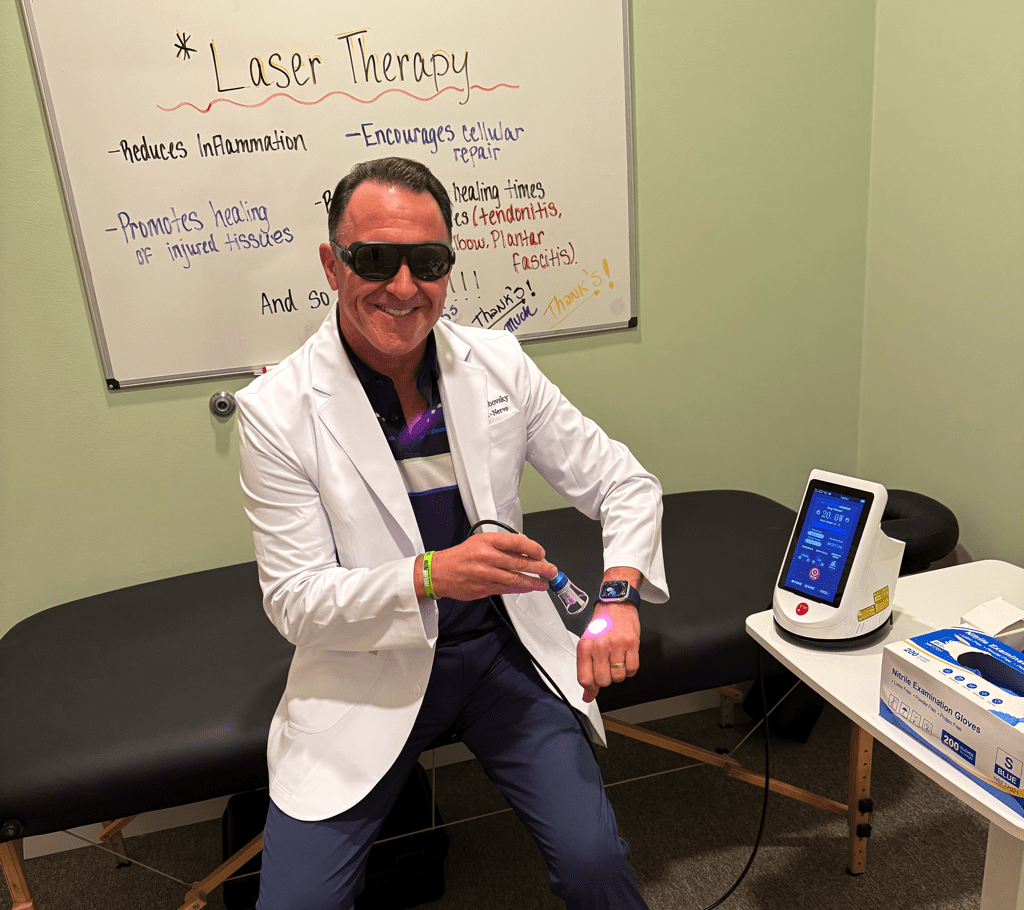
- Class IV laser therapy uses light energy and may be used for pain and inflammation in the tissue around the knee.
- Piezowave shockwave therapy uses focused acoustic pulses and may be considered when a chronic tendon problem, such as patellar tendon pain, is also present.
- Regenerative medicine options such as PRP are biologic injections discussed with a licensed medical provider after an individual evaluation.
- Rehabilitation exercises focus on strength, mobility and movement habits and are often paired with other care.
Your evaluation determines which approach, or combination, fits your knee.
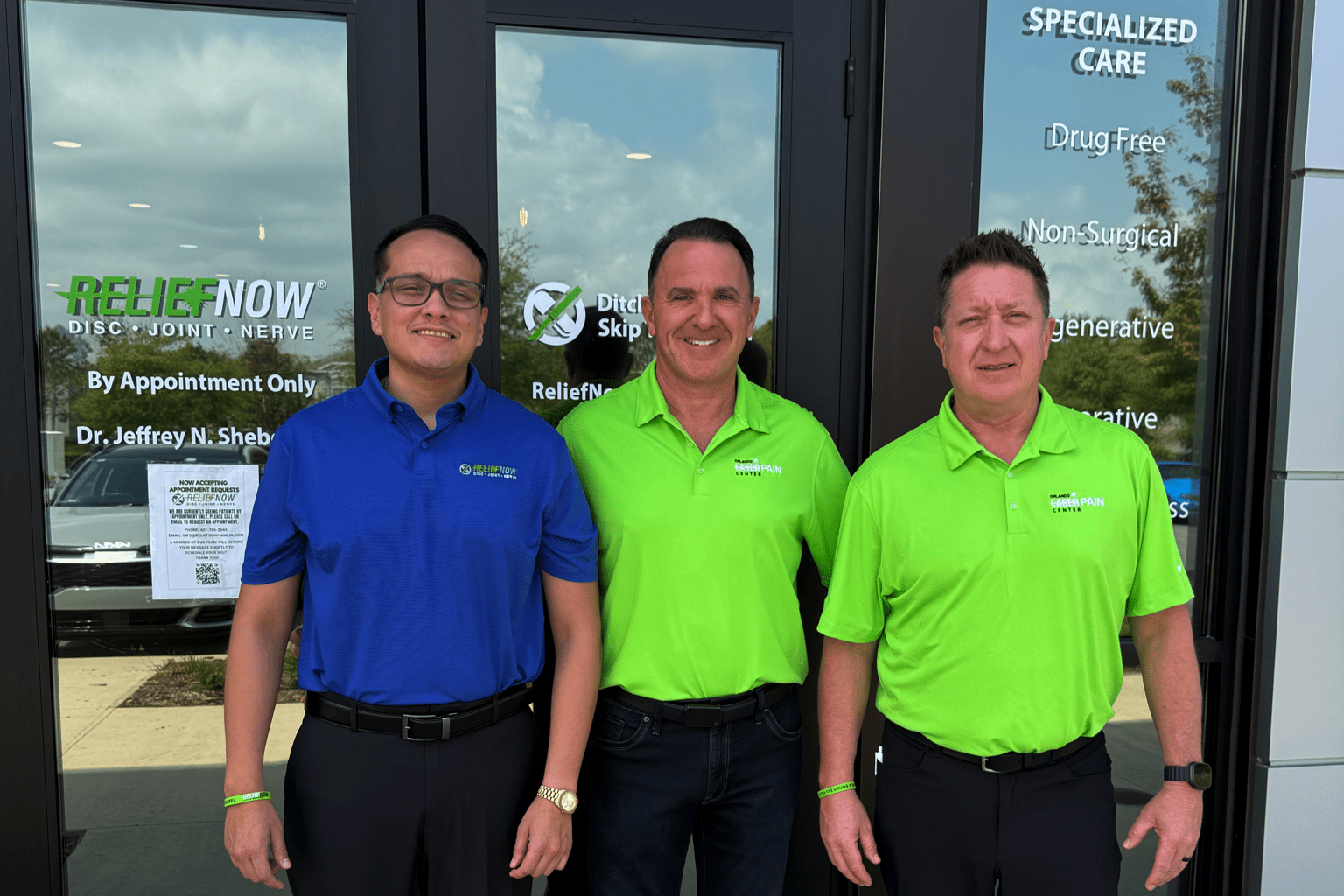
Other Treatments at ReliefNow Hamlin
Knee pain treatment is one of several services available at our Hamlin clinic.
- Class IV laser therapy for joint, soft-tissue and inflammation-related pain
- DRX9000 spinal decompression for herniated discs, bulging discs and sciatica
- Piezowave shockwave therapy for plantar fasciitis and chronic tendon problems
- Knee-on-Trac knee pain treatment for knee arthritis, stiffness and mobility problems
- Regenerative medicine support including PRP, based on individual medical evaluation
Your evaluation determines which of these, if any, fits your condition. Some patients need only one treatment, while others receive a combined plan.
What Our Patients Say
Don't just take our word for it; listen to what our patients have to say about Medical Laser Therapy™.
AS FEATURED ON


Knee Pain Treatment FAQs
Hours
- 9am - 1pm, 3pm - 7pm
- 3pm - 7pm
- 9am - 1pm, 3pm - 7pm
- 9am - 1pm, 3pm - 7pm
- 9am - 1pm
New Patient Scheduling
If knee pain is making walking, stairs or standing harder, our Hamlin team can evaluate the cause and explain your options.
Request an appointment to find out whether non-surgical knee treatment is right for you.
Knee Pain Treatment in Hamlin and Winter Garden, FL
Our Hamlin clinic is located at 5736 Hamlin Groves Trail, Suite 154, in Winter Garden, FL 34787. We provide Knee-on-Trac knee joint decompression and non-surgical care for knee arthritis and stiffness.
We serve patients throughout Hamlin, Horizon West, Winter Garden and Windermere, along with nearby West Orlando communities.
Call 407-706-4944 to schedule a knee evaluation.