
Regenerative Medicine Support in Hamlin, FL
PRP and Other Biologic Options Considered After an Individual Medical Evaluation
Regenerative Medicine Support at ReliefNow Hamlin
ReliefNow® Disc Joint & Nerve Center Hamlin offers consultations on regenerative medicine support, including platelet-rich plasma (PRP) and other biologic options.
Whether any of these therapies is appropriate depends on an individual evaluation, your medical history and the specific therapy being considered. Not every patient is a candidate, and outcomes are not guaranteed.


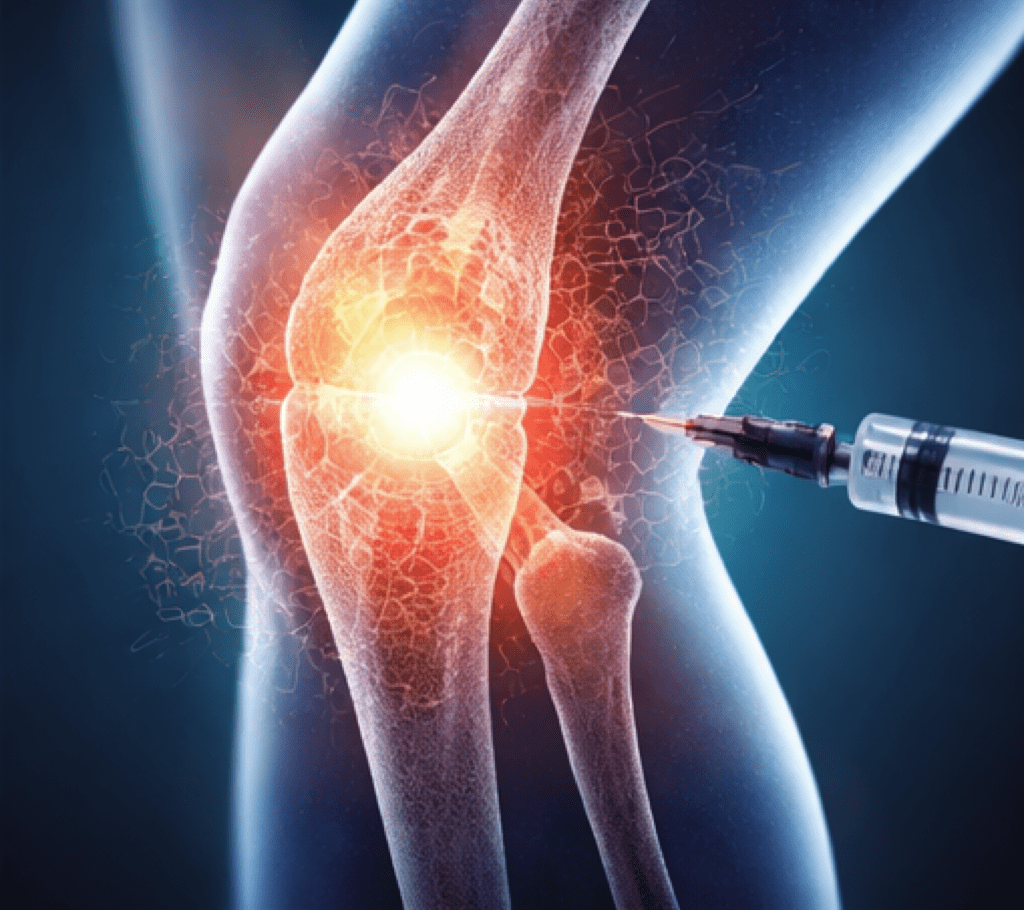
What Is Regenerative Medicine?
Regenerative medicine is a field of care that uses biologic materials, such as components of a patient's own blood, with the goal of supporting the body's healing processes. The evidence varies widely by therapy and condition.
At our Hamlin clinic, these options are discussed as part of a broader treatment plan, not as a replacement for a diagnosis.
Why Patients Explore Regenerative Options
- Ongoing joint pain, including knee pain related to arthritis
- Tendon or ligament problems that have not improved with conservative care
- Shoulder or sports-related injuries
- A wish to learn about options before considering more invasive procedures
Each concern is evaluated individually. A condition appearing on this list does not mean a regenerative therapy will help it.
Regenerative Options Discussed at Our Hamlin Clinic
Each option below is a different product with its own source, evidence and regulatory status. None of them is described here as stem cell therapy.
Platelet-Rich Plasma (PRP)
- Source: your own blood
- Platelets are concentrated in a centrifuge
- Injected into a targeted area
A2M Therapy
- Source: a protein found in blood plasma
- Concentrated from a blood sample
- Discussed mainly for joint concerns
Peptide-Based Support
- Source: manufactured amino acid chains
- Each peptide has a different intended use
- Regulatory status varies by product
Wharton's Jelly
- Source: donated umbilical cord tissue
- Processed by a tissue supplier
- Regulated by the FDA
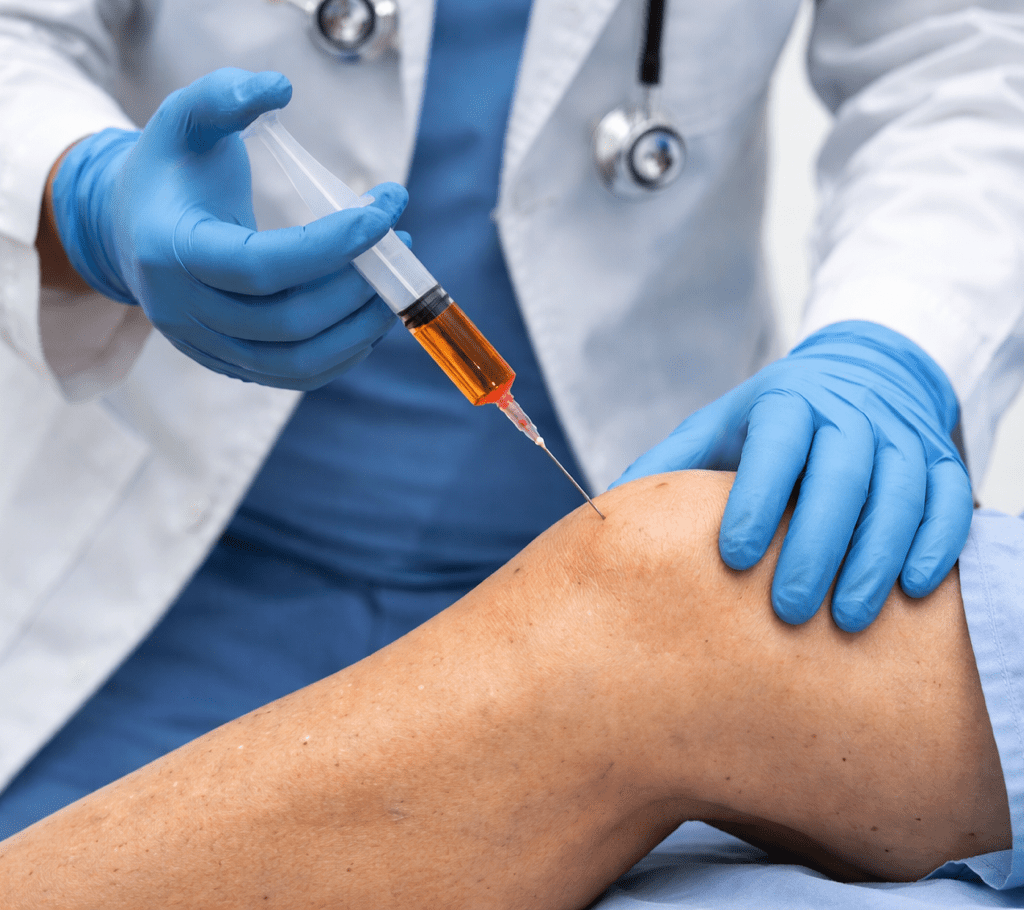
Platelet-Rich Plasma (PRP)
- What it is: A concentrated preparation of platelets from your own blood. Platelets contain proteins involved in the body's healing response.
- Where it comes from: A small blood sample is drawn and spun in a centrifuge to separate and concentrate the platelets.
- Why it may be considered: PRP has been studied for some tendon problems and knee osteoarthritis, with mixed results across studies.
- Who evaluates candidacy: A licensed medical provider, after reviewing your history, exam and imaging.
- Who administers it: A licensed medical provider trained in the procedure.
- Limitations: Results vary, preparation methods differ, and PRP is often not covered by insurance. It is not a proven way to rebuild cartilage.
A2M (Alpha-2-Macroglobulin)
- What it is: A protein naturally found in blood plasma that can bind certain enzymes associated with cartilage breakdown.
- Where it comes from: It is typically concentrated from a sample of the patient's own blood using a specialized processing system.
- Why it may be considered: A2M is discussed mainly for joint-related concerns, such as osteoarthritis.
- Who evaluates candidacy: A licensed medical provider, after an individual evaluation.
- Who administers it: A licensed medical provider trained in the procedure.
- Limitations: Research in people is limited and still developing. Outcomes are not guaranteed, and insurance coverage is uncommon.
Peptide-Based Support
- What it is: Peptides are short chains of amino acids. Different peptides have different intended uses.
- Where it comes from: Peptides used in clinical care are manufactured and may be prepared by a compounding pharmacy.
- Why it may be considered: Some patients ask about peptides as part of a broader recovery plan.
- Who evaluates candidacy: A licensed medical provider, who reviews your health history and current medications.
- Who administers or prescribes it: A licensed medical provider.
- Limitations and regulatory notes: Human evidence is limited for many peptides. The FDA has restricted the compounding of certain peptides, so availability depends on the specific product.
Wharton's Jelly
- What it is: A gel-like connective tissue found in the umbilical cord.
- Where it comes from: Umbilical cord tissue donated after healthy births and processed by a tissue supplier.
- Why it may be considered: Some patients ask about it for joint or soft-tissue concerns.
- Who evaluates candidacy: A licensed medical provider, after an individual evaluation.
- Who administers it: A licensed medical provider trained in the procedure.
- Limitations and regulatory notes: The FDA regulates these products as human cells, tissues, and cellular and tissue-based products. The FDA has not approved any Wharton's jelly product to treat orthopedic conditions, and clinical evidence is limited.
Regenerative Medicine and Other Non-Surgical Treatments
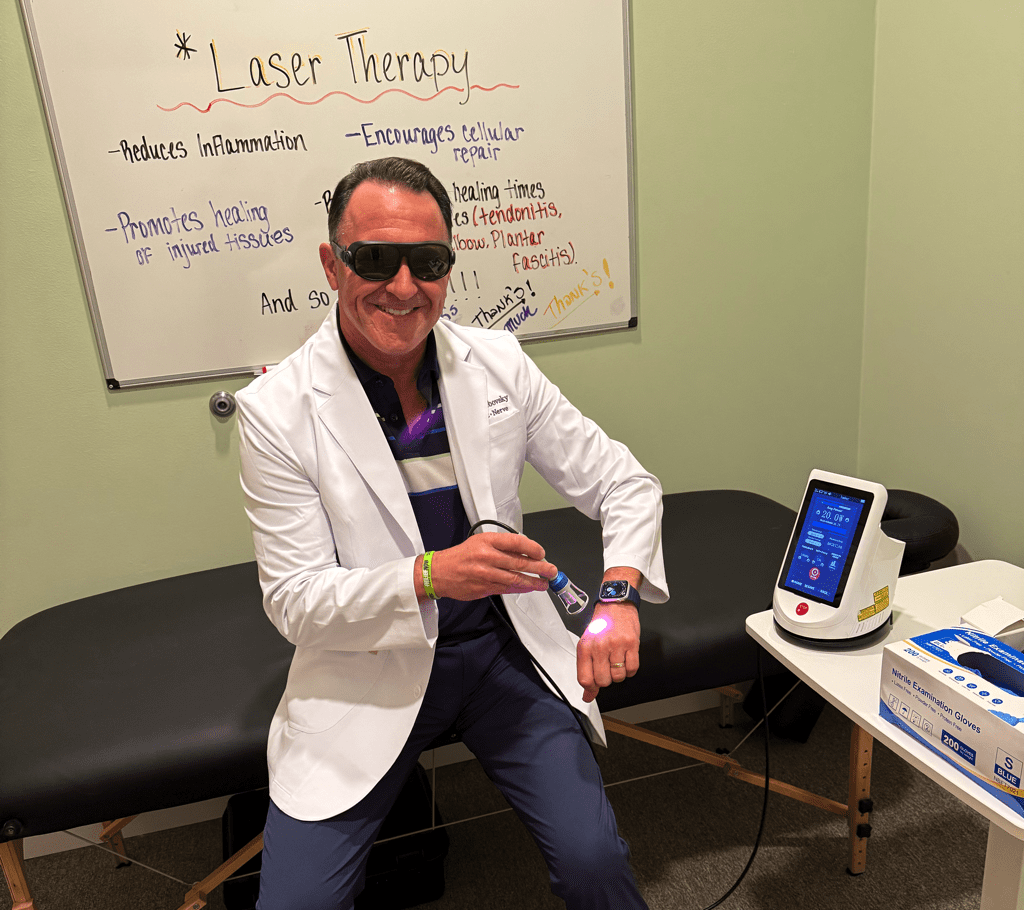
Class IV Laser Therapy
- • For joint, muscle and inflammation-related pain
- • Class IV laser therapy in Hamlin
Shockwave Therapy
- • For chronic tendon and plantar fascia problems
- • Piezowave shockwave therapy
Knee Joint Decompression
- • For knee arthritis and stiffness
- • Knee-on-Trac knee pain treatment
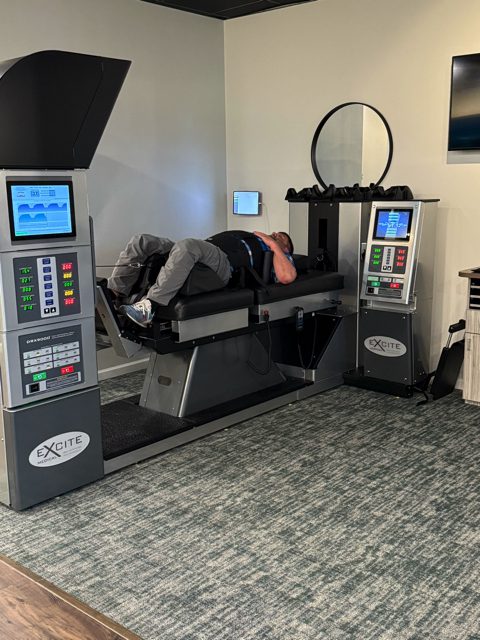
Spinal Decompression
- • For herniated discs and sciatica
- • DRX9000 spinal decompression
Meet the Doctor
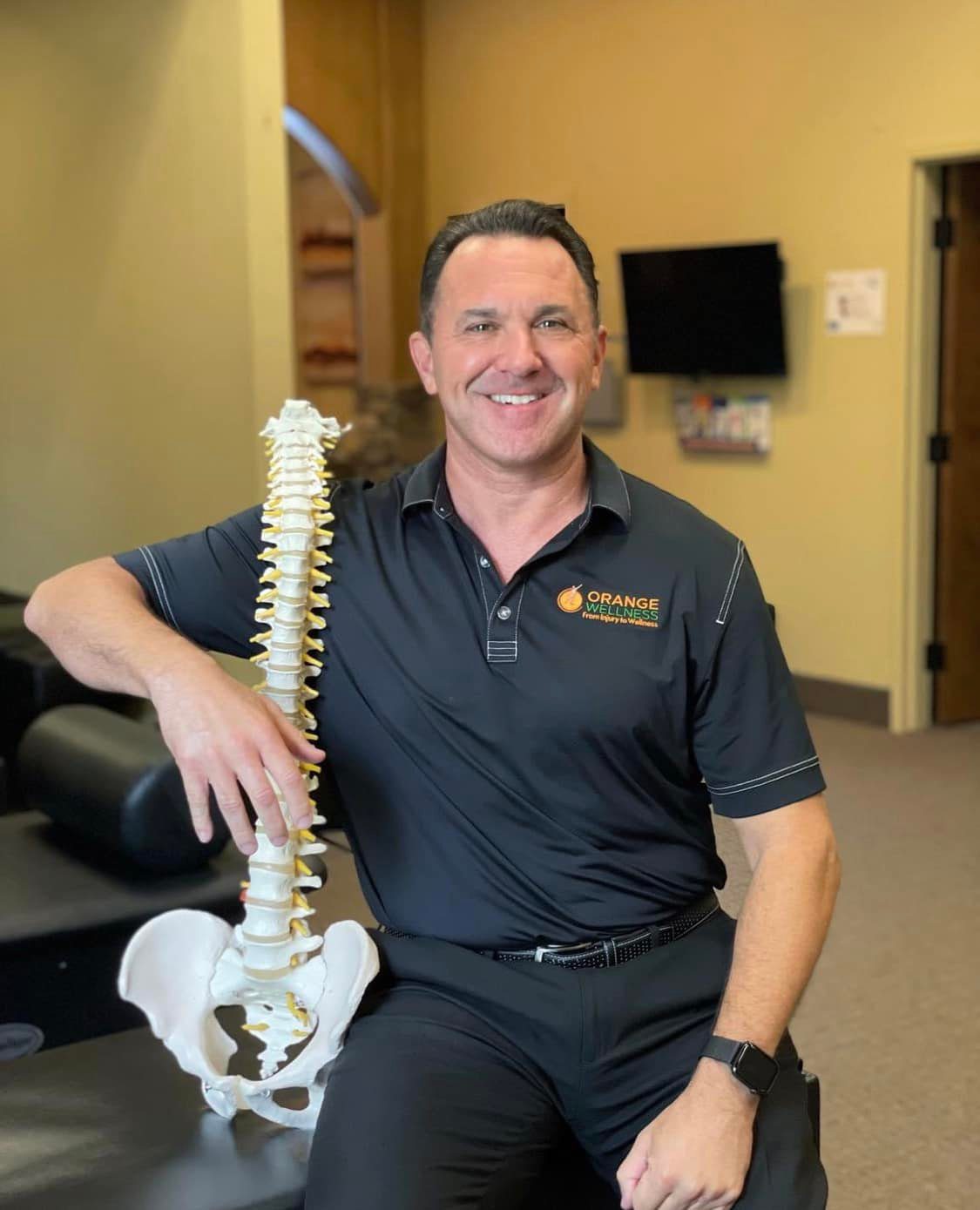
DR. JEFFREY N. SHEBOVSKY
Chiropractor
I look forward to assisting you on your journey towards a life filled with higher levels of health and vitality!
What to Expect at a Regenerative Medicine Consultation
- Medical history. We review your health history, medications and any conditions that could affect candidacy.
- Examination. The affected joint or tissue is examined to help identify the source of your symptoms.
- Prior treatment. We discuss what you have already tried and how you responded.
- Available imaging. Bring any X-ray, ultrasound or MRI reports so they can be reviewed.
- Discussion of options. If a regenerative option may be appropriate, the provider explains how it is prepared, what the evidence shows, its cost and the alternatives.
You can take time to decide. A consultation does not commit you to treatment.
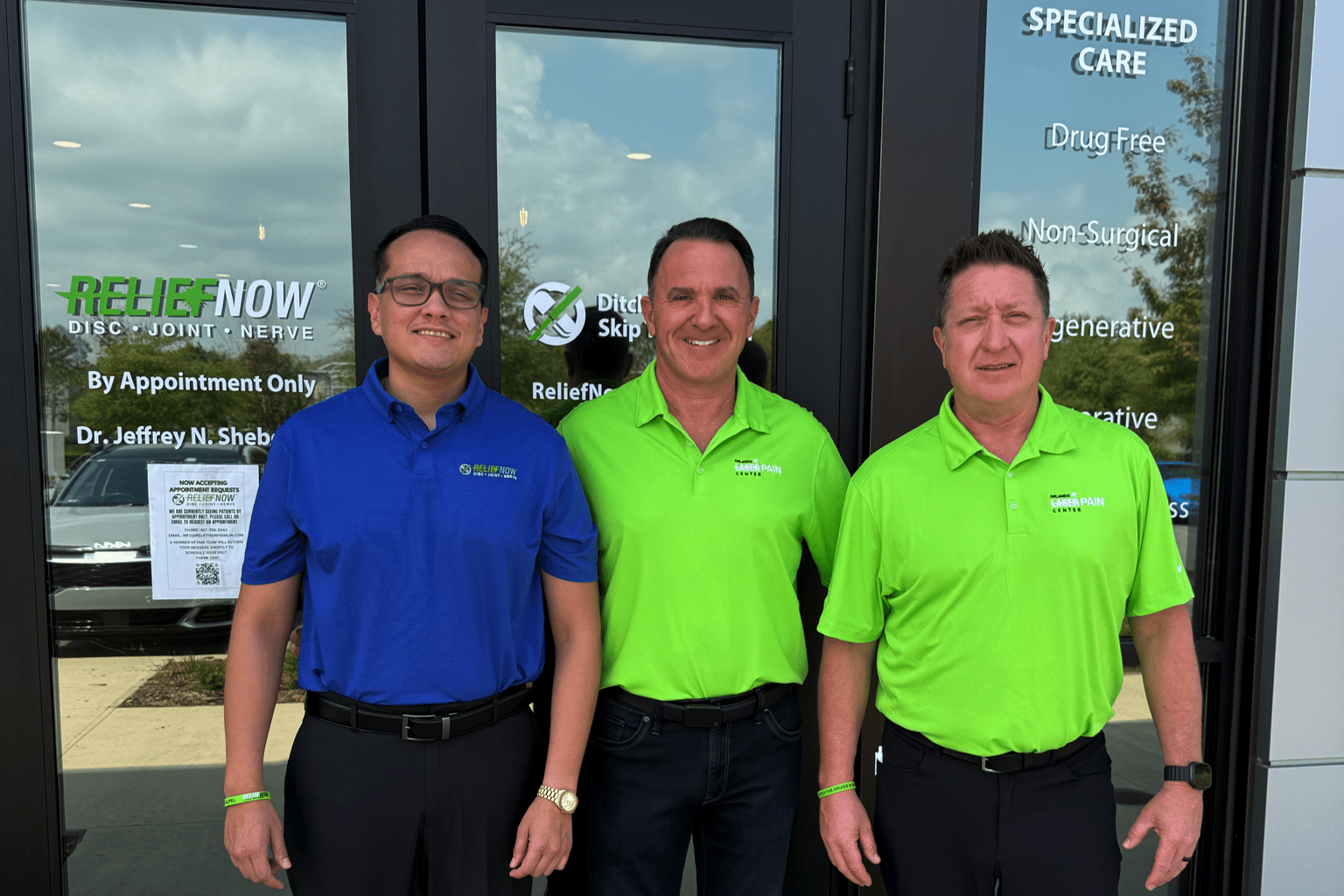
Other Treatments at ReliefNow Hamlin
Regenerative medicine support is one of several options available at our Hamlin clinic.
- Class IV laser therapy for joint, soft-tissue and inflammation-related pain
- DRX9000 spinal decompression for herniated discs, bulging discs and sciatica
- Piezowave shockwave therapy for plantar fasciitis and chronic tendon problems
- Knee-on-Trac knee pain treatment for knee arthritis, stiffness and mobility problems
- Regenerative medicine support including PRP, based on individual medical evaluation
Your evaluation determines which of these, if any, fits your condition. Some patients need only one treatment, while others receive a combined plan.
What Our Patients Say
Don't just take our word for it; listen to what our patients have to say about Medical Laser Therapy™.
AS FEATURED ON


Regenerative Medicine FAQs
Hours
- 9am - 7pm
- 3pm - 7pm
- 9am - 7pm
- 9am - 7pm
- 9am - 1pm
New Patient Scheduling
If you want to learn whether a regenerative option fits your joint or soft-tissue concern, our Hamlin team can schedule a consultation.
Request an appointment to discuss your options with a provider.
Regenerative Medicine Support in Hamlin, FL
Our Hamlin clinic at 5736 Hamlin Groves Trail, Suite 154, offers regenerative medicine consultations for joint and soft-tissue concerns.
Patients also visit from nearby Winter Garden and Horizon West.
Call 407-706-4944 to schedule a consultation.