
Non-Surgical Spinal Decompression in Hamlin, FL
DRX9000 Decompression for Herniated Discs, Bulging Discs, Sciatica and Disc-Related Back or Neck Pain
DRX9000 Spinal Decompression at ReliefNow Hamlin
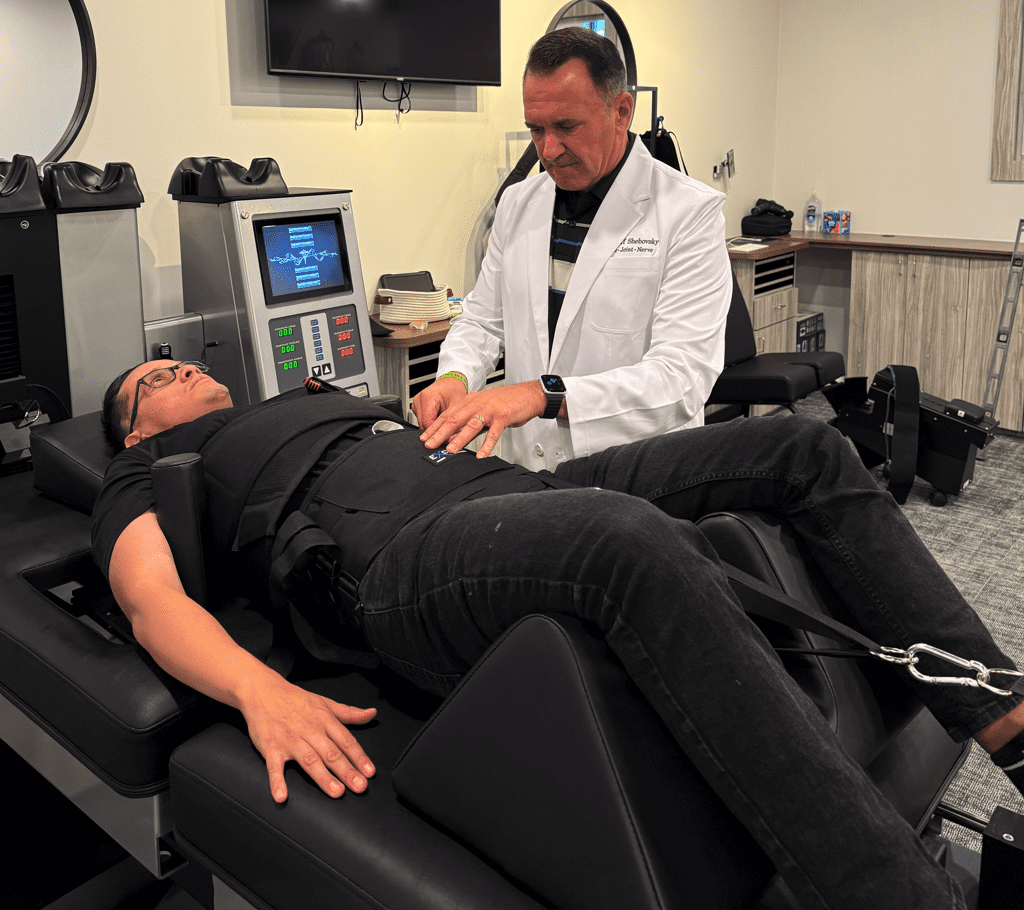
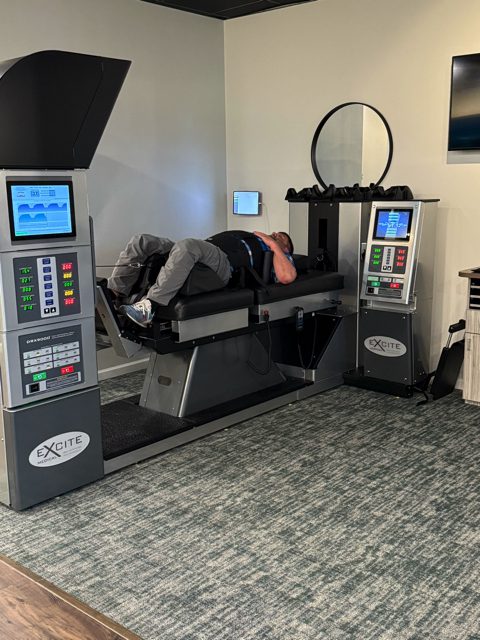
ReliefNow® Disc Joint & Nerve Center Hamlin offers non-surgical spinal decompression using the DRX9000. This treatment focuses on disc and nerve-related spinal problems, including herniated discs, bulging discs, sciatica and degenerative disc disease.
When a disc bulges or degenerates, it can irritate nearby nerves and cause pain, numbness or tingling. Decompression applies controlled spinal distraction intended to reduce pressure on the affected disc and nerve.


What Is Spinal Decompression?
Non-surgical spinal decompression is a treatment that gently and gradually stretches the spine to reduce pressure on spinal discs and nearby nerves. It is used for certain disc-related causes of back pain, neck pain and sciatica.
How DRX9000 Spinal Decompression Works
Positioning. You lie on your back on the padded DRX9000 table, fully clothed. Harnesses secure your upper body and pelvis so the stretch is directed to the targeted area of the spine.
Controlled distraction. A computer-controlled system applies a gradual pulling force, then eases off in repeating cycles. The clinician sets the treatment parameters for your condition.
Intended goal. The treatment is intended to lower pressure within the affected disc and reduce stress on irritated nerves.
What you may feel. Most patients feel a gentle stretch in the spine. Tell the clinician right away if anything feels uncomfortable.
Tracking progress. Your pain, mobility and radiating symptoms are reassessed during care, and the plan is adjusted based on your response.
DRX9000 Spinal Decompression vs. Traditional Traction
Both approaches stretch the spine. Traditional traction typically applies a steady or intermittent pull, while the DRX9000 uses computer-controlled cycles that gradually increase and decrease the force.
The gradual cycles are designed to help limit the muscle guarding that can occur with a sudden pull. Neither approach is right for every patient, and your evaluation determines which option, if any, fits your condition.
Disc and Nerve Conditions We Evaluate
Herniated Discs
A herniated disc occurs when the soft inner material of a disc pushes through its tougher outer layer. It can press on a nearby nerve and cause sharp or radiating pain.
Bulging Discs
A bulging disc extends beyond its normal boundary without the outer layer breaking open. Some bulges cause no symptoms, while others contribute to back or neck pain.
Sciatica
Sciatica is pain that travels from the lower back into the buttock and leg along the sciatic nerve. A herniated or bulging disc is a common cause, but not the only one.
Degenerative Disc Disease
Spinal discs lose height and hydration over time. This can lead to stiffness, back or neck pain and, in some cases, nerve irritation.
Disc-Related Lower Back Pain
Lower back pain from a disc often worsens with sitting, bending or lifting. It may stay in the back or travel into the hips and legs.
Disc-Related Neck Pain
Disc problems in the neck can cause neck pain and stiffness, along with pain, tingling or numbness that travels into the shoulder, arm or hand.
Symptoms We Look For
Radiating pain, tingling, numbness, weakness and restricted movement can be linked to disc problems. They can also come from other conditions, which is why an evaluation comes first.
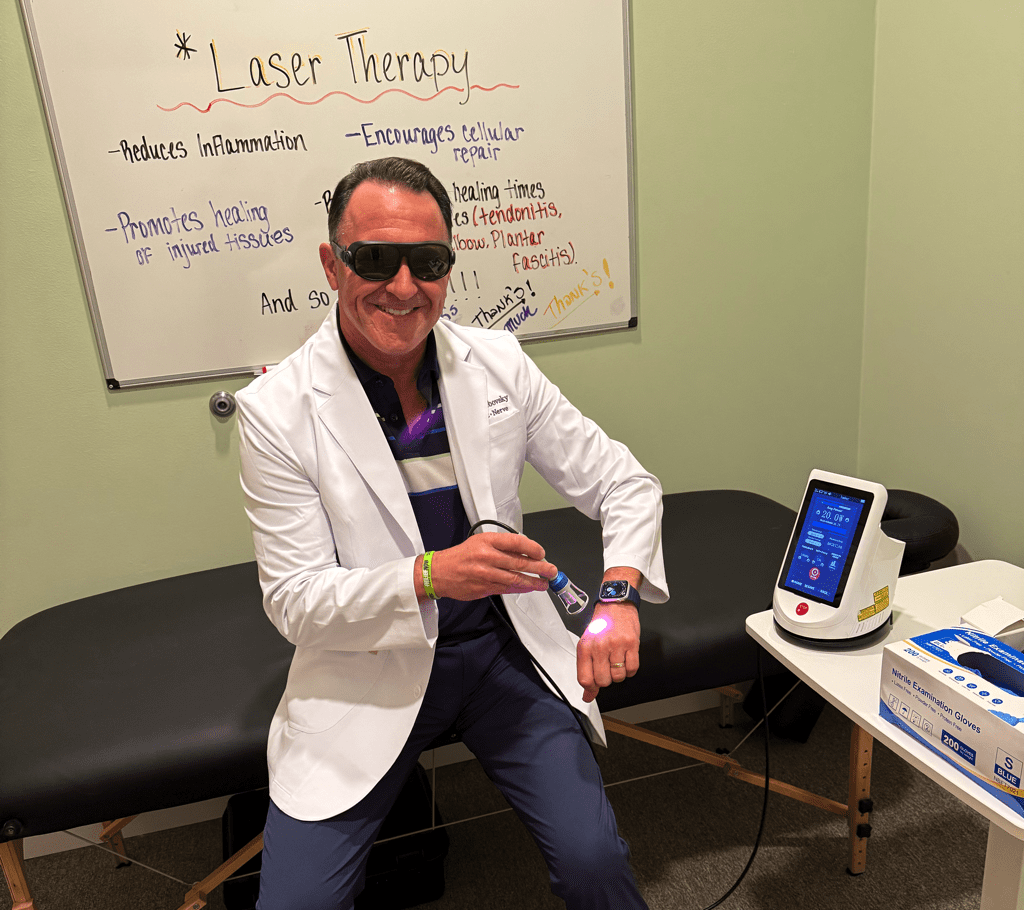
If your pain comes mainly from inflamed muscles or soft tissue rather than a disc, Class IV laser therapy may be a better fit or may be used alongside decompression.
Who May Be a Candidate for Spinal Decompression?
You may be a candidate if your evaluation shows that a disc problem is a likely source of your symptoms.
- You have been diagnosed with a herniated or bulging disc
- You have sciatica or arm pain that appears to be disc-related
- You have back or neck pain linked to degenerative disc disease
- You want to explore conservative care before considering surgery
Candidacy is decided after reviewing your history, exam findings and any available imaging.
When Spinal Decompression May Not Be Recommended
Spinal decompression is not appropriate for everyone. Situations that typically rule out treatment or require further evaluation include:
- Pregnancy
- Spinal fractures, tumors or infections
- Previous spinal fusion or implanted spinal hardware
- Advanced osteoporosis
- Abdominal aortic aneurysm
Your provider reviews your full medical history before recommending decompression.
What Causes Disc Problems?
Disc problems often develop over time due to a combination of stress, injury, and natural degeneration.
- Disc degeneration: Discs gradually lose hydration and flexibility, which can make them more prone to bulging or herniation.
- Repetitive stress and posture: Long periods of sitting and repeated bending or lifting can increase pressure on spinal discs.
- Injury or trauma: Accidents, lifting injuries or sudden movements can damage or weaken a disc.
- Disc bulges and herniations: When disc material pushes outward, it can press on nearby nerves.
- Nerve compression: Pressure on a spinal nerve can cause pain, numbness, tingling or weakness.
- Everyday wear: Years of daily activity place ongoing stress on the discs of the lower back and neck.
Meet the Doctor
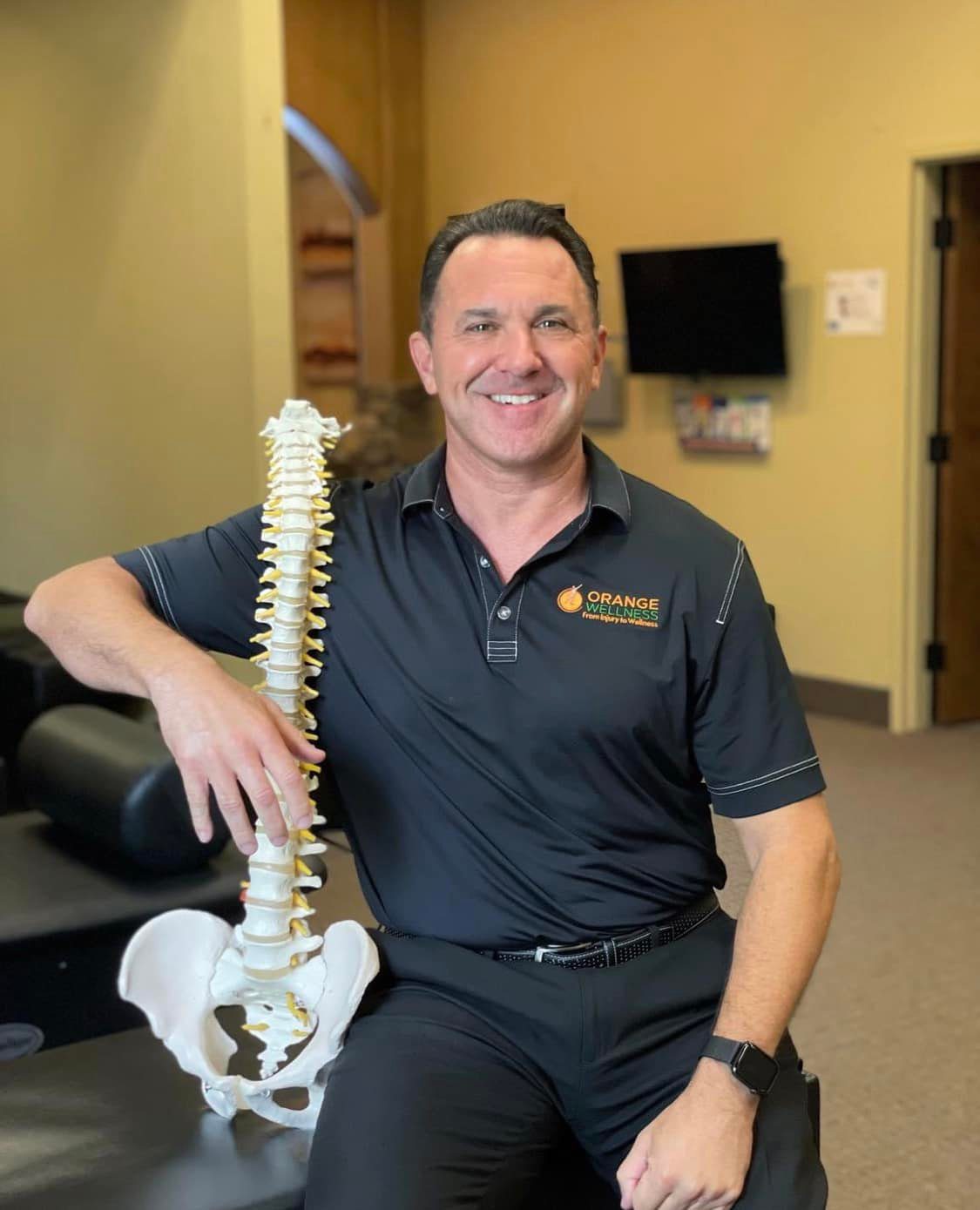
DR. JEFFREY N. SHEBOVSKY
Chiropractor
I look forward to assisting you on your journey towards a life filled with higher levels of health and vitality!
Goals of Spinal Decompression Treatment
Reduce Pressure on Discs and Nerves
- • Gently stretches the targeted spinal segments
- • Aims to reduce pressure on irritated nerve roots
- • May help ease radiating pain, numbness or tingling
Support the Disc Environment
- • Cyclic stretching is intended to lower pressure inside the disc
- • Focuses on the disc level identified in your evaluation
- • Settings are adjusted for your condition
Improve Comfort With Movement
- • May reduce back or neck pain during daily tasks
- • Progress is measured by changes in pain and mobility
- • May be paired with exercises that support the spine
An Outpatient, Non-Invasive Treatment
- • No incisions or needles
- • You remain clothed during treatment
- • Performed in our Hamlin clinic
Part of a Personalized Plan
- • Treatment parameters are set for your condition
- • The plan is adjusted based on your response
- • May be combined with other treatments when appropriate
What to Expect at Your First Visit
- Health history. We review your medical history, medications and any past spinal injuries or surgeries.
- Symptoms. We discuss where you feel pain, numbness or tingling, when it started and what makes it better or worse.
- Previous treatment. We ask what you have already tried, such as physical therapy, medication or injections, and how you responded.
- Existing imaging. Bring any MRI or X-ray reports you have so we can review them alongside your symptoms.
- Physical evaluation. We assess posture, movement, strength, reflexes and sensation to help locate the source of your symptoms.
- Candidacy. We determine whether a disc problem is likely and whether decompression is appropriate for you.
- Treatment discussion. If decompression fits, we explain the recommended plan. If it does not, we discuss other options.
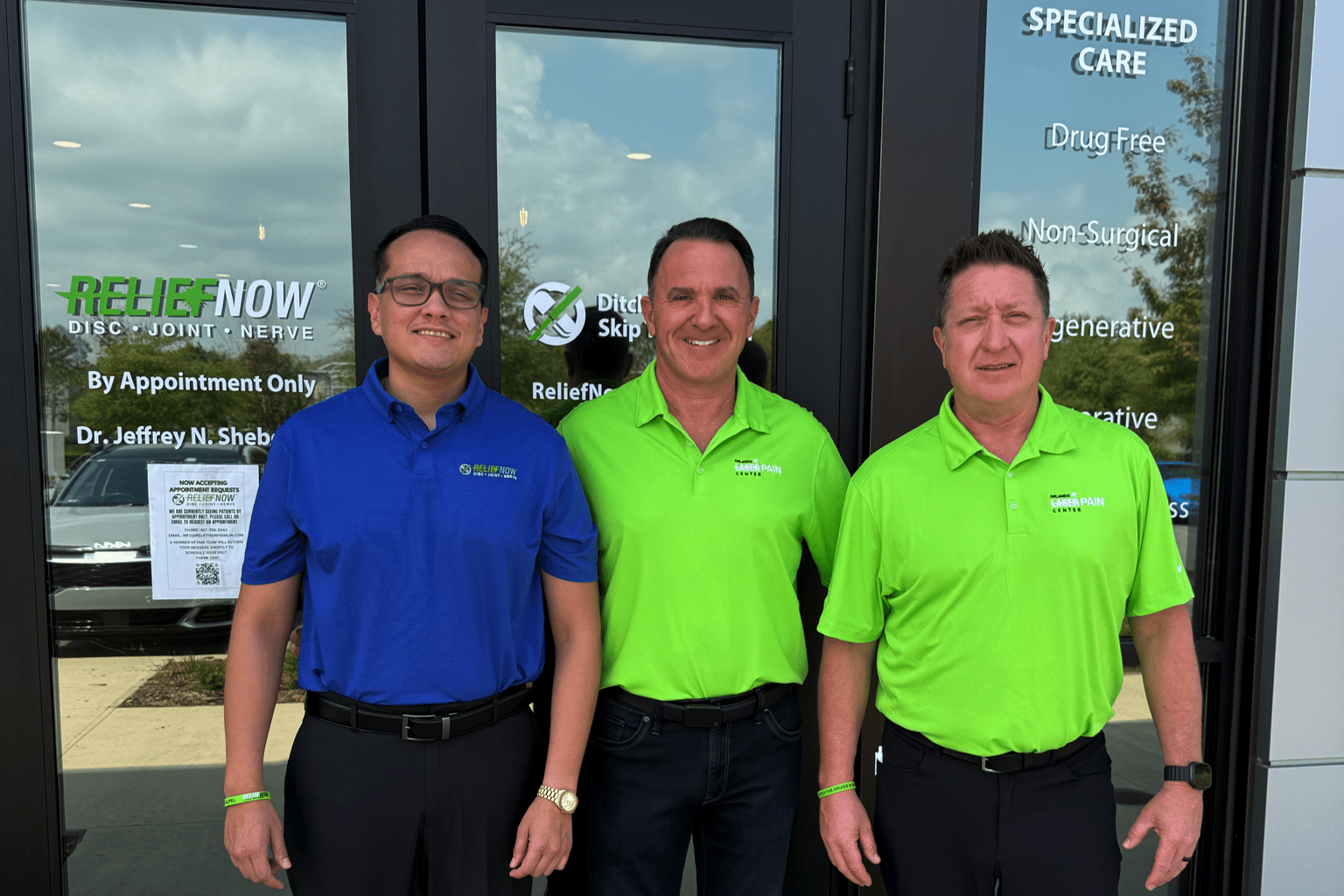
Other Treatments at ReliefNow Hamlin
Spinal decompression is one of several treatments available at our Hamlin clinic.
- Class IV laser therapy for joint, soft-tissue and inflammation-related pain
- DRX9000 spinal decompression for herniated discs, bulging discs and sciatica
- Piezowave shockwave therapy for plantar fasciitis and chronic tendon problems
- Knee-on-Trac knee pain treatment for knee arthritis, stiffness and mobility problems
- Regenerative medicine support including PRP, based on individual medical evaluation
Your evaluation determines which of these, if any, fits your condition. Some patients need only one treatment, while others receive a combined plan.
What Our Patients Say
Don't just take our word for it; listen to what our patients have to say about Medical Laser Therapy™.
AS FEATURED ON


Spinal Decompression FAQs
Hours
- 9am - 7pm
- 3pm - 7pm
- 9am - 7pm
- 9am - 7pm
- 9am - 1pm
New Patient Scheduling
If a herniated disc, bulging disc or sciatica is affecting your day, our Hamlin team can evaluate the cause and explain your options.
Request an appointment to find out whether spinal decompression is right for you.
Spinal Decompression in Hamlin, FL
Our Hamlin clinic at 5736 Hamlin Groves Trail, Suite 154, provides DRX9000 spinal decompression for patients with disc-related back and neck pain.
Patients also visit from nearby communities, including:
- Horizon West
- Winter Garden
- Windermere
- Orlando
Call 407-706-4944 to schedule a spinal decompression evaluation.